
September is arts and culture month in Jozi
And the headline act is Joy of Jazz — the city’s annual love letter to improvisation, brass, and late-night rhythm. Add Heritage Day into the mix on the 24th, and suddenly the whole week is bursting at the seams: guided walks through historic districts, tours of heritage sites, and cultural showcases that remind us that the city’s story is as layered as its music.
It’s a weekend where saxophones meet storytelling, where the pulse of jazz spills into the streets, and where heritage isn’t just remembered — it’s performed, tasted, and walked through.
Standard Bank Joy Of Jazz at Sandton Convention Centre 25th and 26th September
With grandson commitments, I can’t go to Joy of Jazz sadly. But when I saw the legends who will be performing, my FOMO reached dangerous proportions. But after looking at the programme a little closer, to find Angélique Kidjo will be on stage near 11 pm and Kamasi Washington after midnight, I began to feel somewhat old, boring and Gogo-ish! However, it did not take too long to make peace with the fact that my circadian rhythm has unionized and refuses to work overtime. Next best thing – guests staying at Liz at Lancaster are attending the event. (Sandton Convention Centre is a mere 6.5 km from Liz at Lancaster). So I will also make peace with second-hand enjoyment of the excitement, the groove, and the late-night riffs. 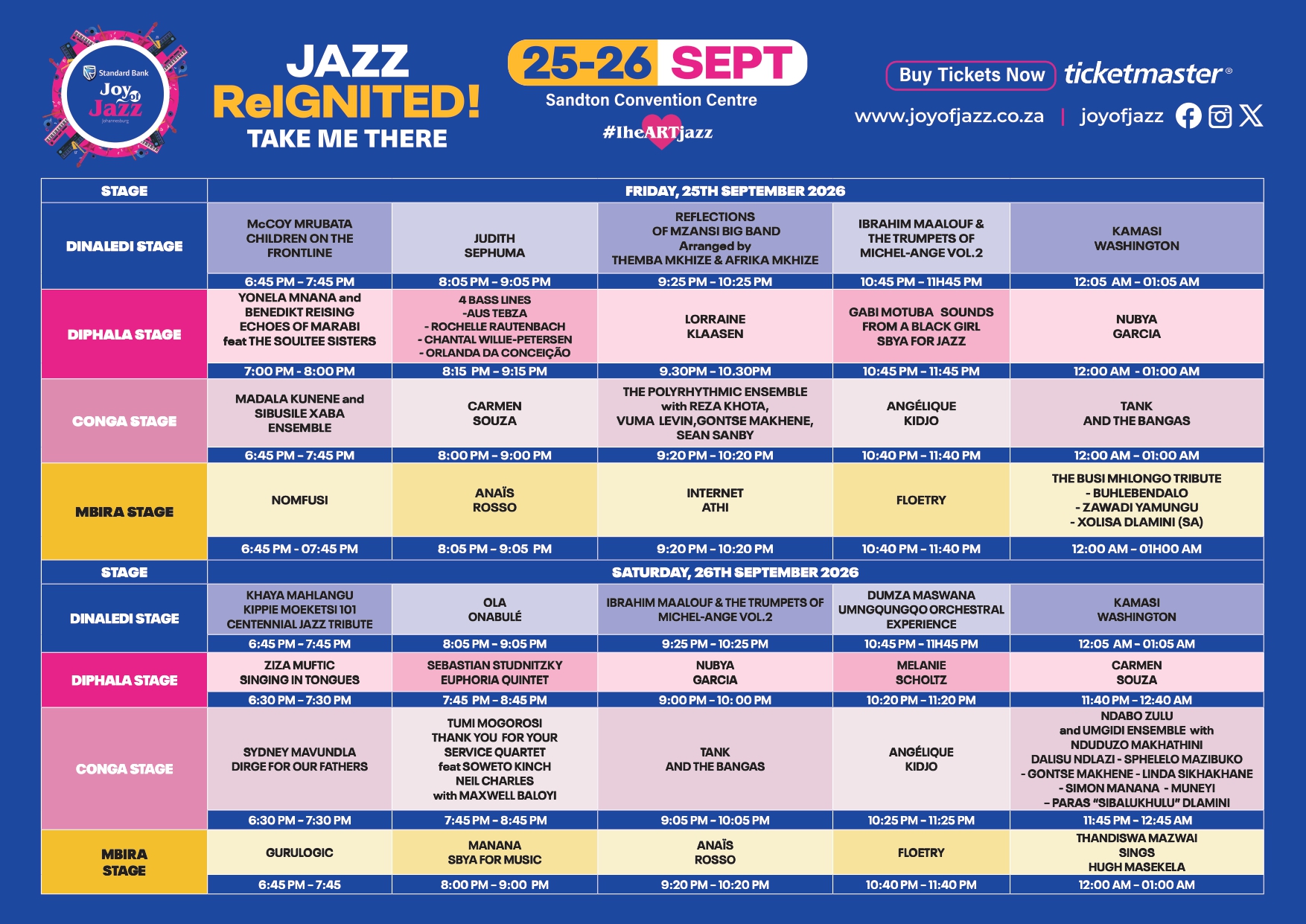 But what a line-up: Standard Bank’s 2026 Young Artist Award winners Gabi Motuba and Manana; tributes to Hugh Masakela (Thandiswe Mazwai); to Kippie Moeketsi (Khaya Mahlangu); and to South African music with father and son Themba and Afrika Mkhize‘s ‘Reflections of Mzansi Big Band”.
Other international jazz icons include Ibrahim Maalouf , the Lebanese-French trumpeter and composer; the British saxophonist Nubya Garcia; and the British Nigerian singer, Ola Onabule. And these are but a few of the amazing talents in the line-up.
SA SYMPHONIC JAZZ 24th September
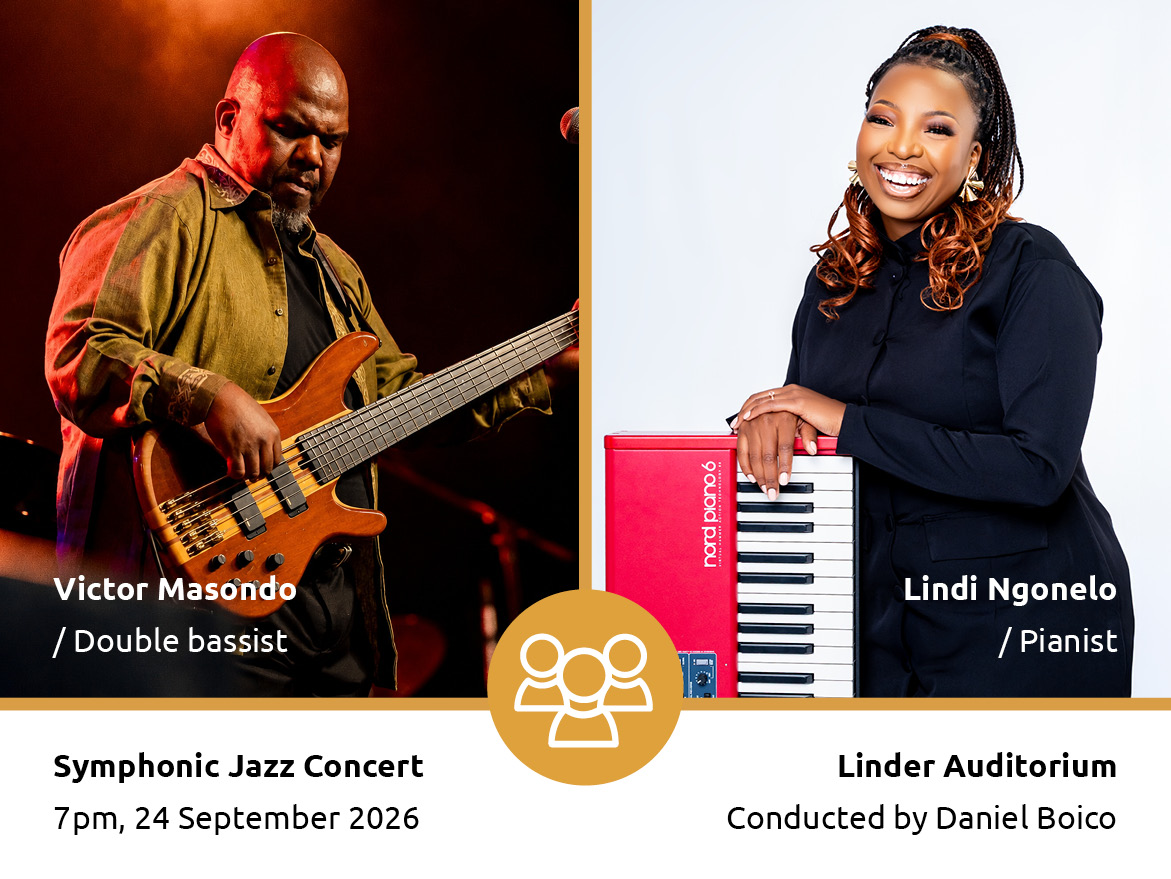
BUT I will not give over to early-night Gogo-dom immediately (although SA Symphonic Jazz can hardly be called a late night!). On 24th September I will be there when the Johannesburg Symphony Orchestra joins up with South African jazz veterans Lindi Ngonelo and the Victor Masondo Quartet. The programme features jazzed up versions (literally in this case), of medleys from George Gershwin’s Porgy and Bess, Leonard Bernstein’s West Side Story and Duke Ellington and Billy Strayhorn’s reinterpretation of the Nutcracker Suite. Along with these three orchestral showpieces, the Victor Masondo Quartet and Lindi Ngonelo, will perform some of their own compositions.
Johannesburg Heritage Tours
So maybe grandson-time will force me to be fresh and bright for Johannesburg Heritage tours over the week-end. Just having to choose from The Johannesburg Heritage Foundation’s menu for the weekend was difficult enough. On Saturday 26th there are walking tours of Forest Town; Rosebank; Fordsburg; and visits to Northwards; to Holy Family College in Parktown; and to 2 iconic inner-city buildings: The Barbican and Ansteys.
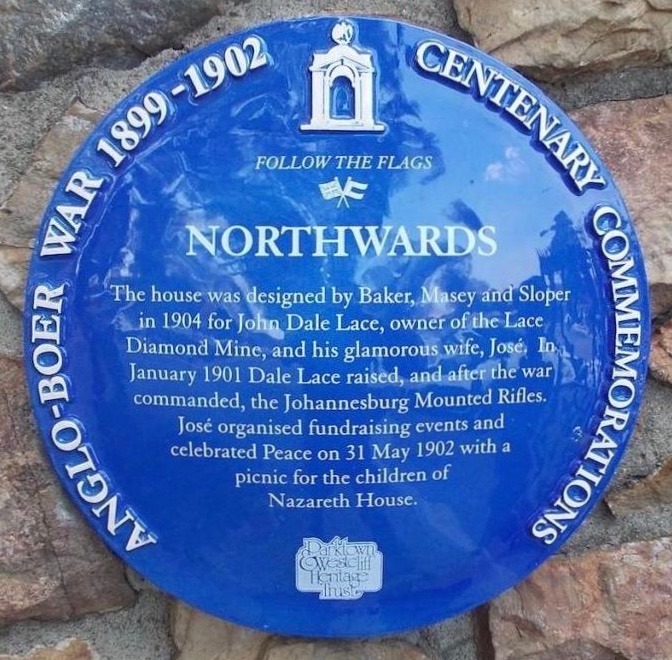
The tour of the 2 inner city buildings: The Barbican and Ansteys, was my choice for the day. Some current photos to follow in a future blog.
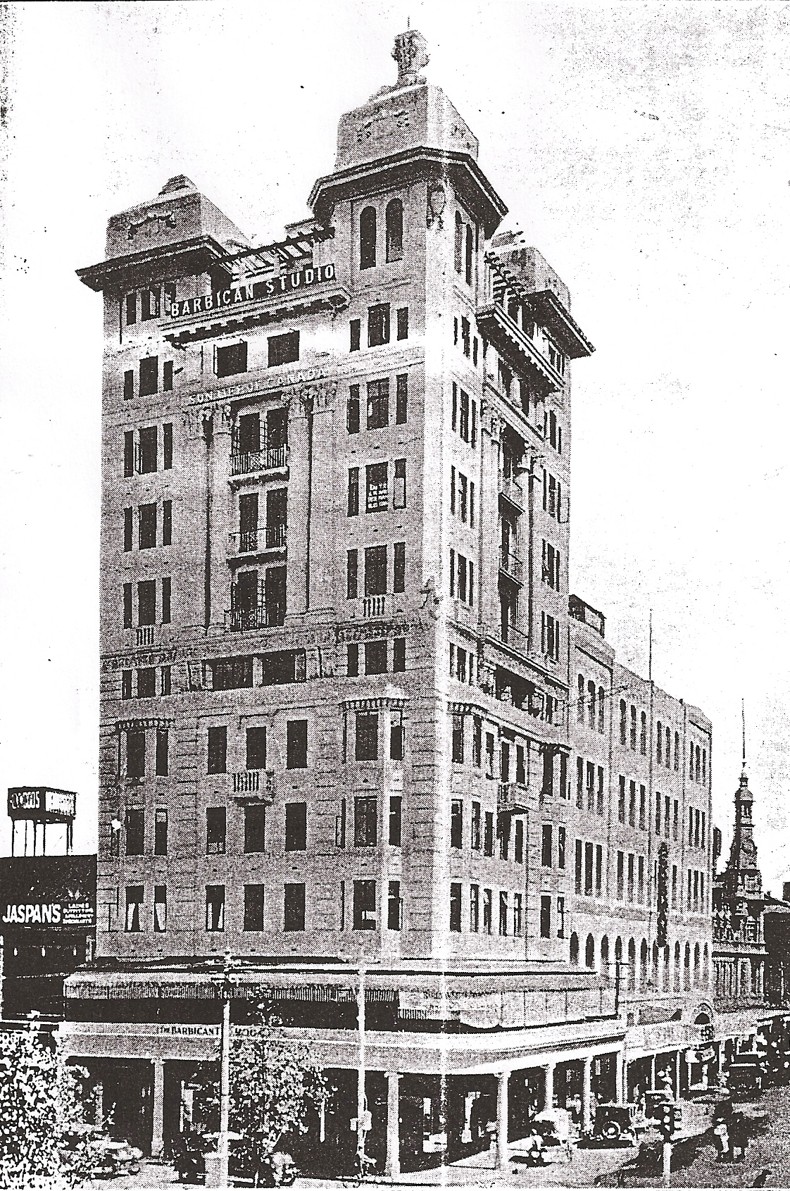
The Barbican
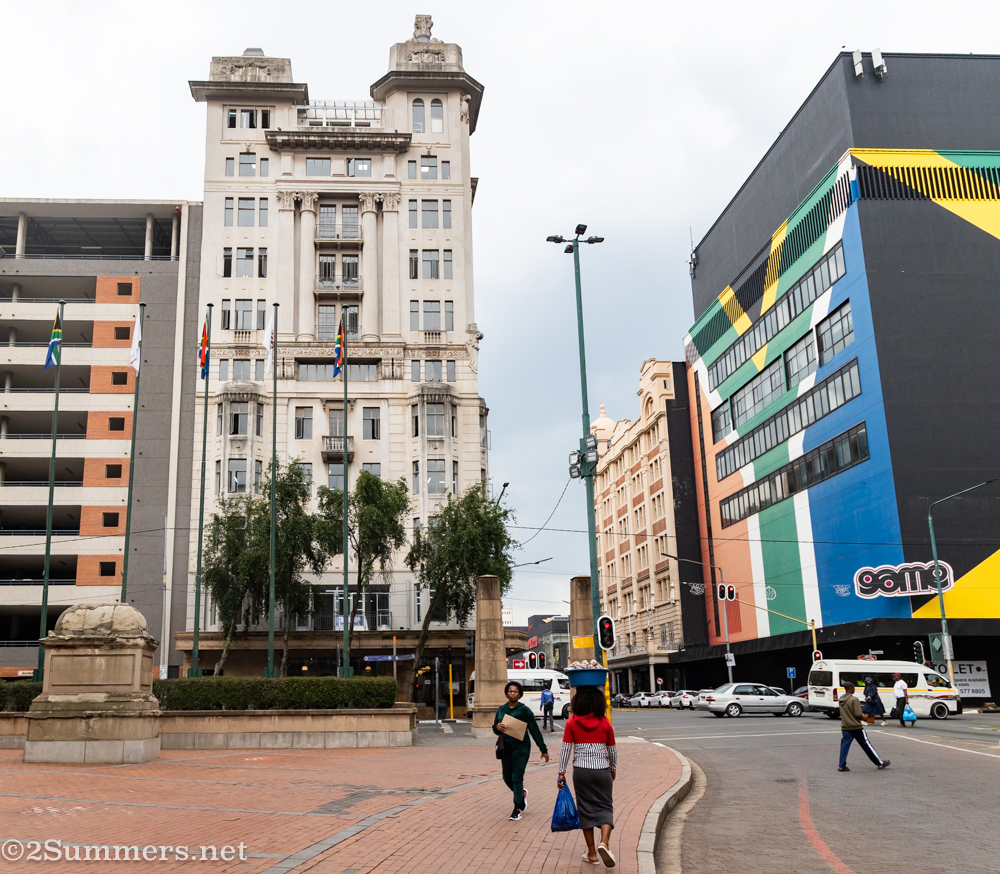
Built between 1929 and 1931, the Barbican building signaled an era when post-Edwardian Englishness was passé, and Johannesburg was looking towards the modernity of America. With its stylistic mix of eclectic classicism and Art Deco it modelled itself on the skyscrapers of New York and Chicago. For a very brief period it could declare itself the tallest building in Johannesburg until nearby Astor Mansions “out-talled” it by one story (shades of the pyramid shaped roof and spire of Sandton City Towers in the 1990s; The Michelangelo Towers 2005; and the Leonardo 2015! Plus ça change, plus c’est la même chose). By 1995 when Old Mutual bought the building, it was already in a shocking state of disrepair. After clearing it of vagrants they closed it up and left it to deteriorate even further. Needless to say, by 2007 the state of the building had worsened significantly. This was when I was asked to write a history report on the building for the heritage architect Herbert Prins to use in his Heritage Impact Assessment commissioned by Old Mutual. Expensive restoration was undertaken in 2009/10 but, because Old Mutual had no clear vision for viable tenants, the building was not sustainable as a commercial enterprise. With egg on their face, the building was mothballed yet again and was then sold to FNB.
Enter Michele Ciani an Italian investor and property developer who fell in love with the building and bought it from FNB. Teaming up with heritage architect Brian McKechnie who had a longstanding interest in the building they envisioned a shift from a traditional office block tenancy. Bridge Books, the independent African literature bookshop now has a new home on the ground floor having relocated from Linden and the middle floors are occupied by David Tlale’s fashion academy. These types of tenants signal a more boutique cultural hub which will hopefully sustain this grand old lady which, in the 1930s was the epitome of cutting-edge international modernity, before its demise into inner city ruin. For further info.
Ansteys
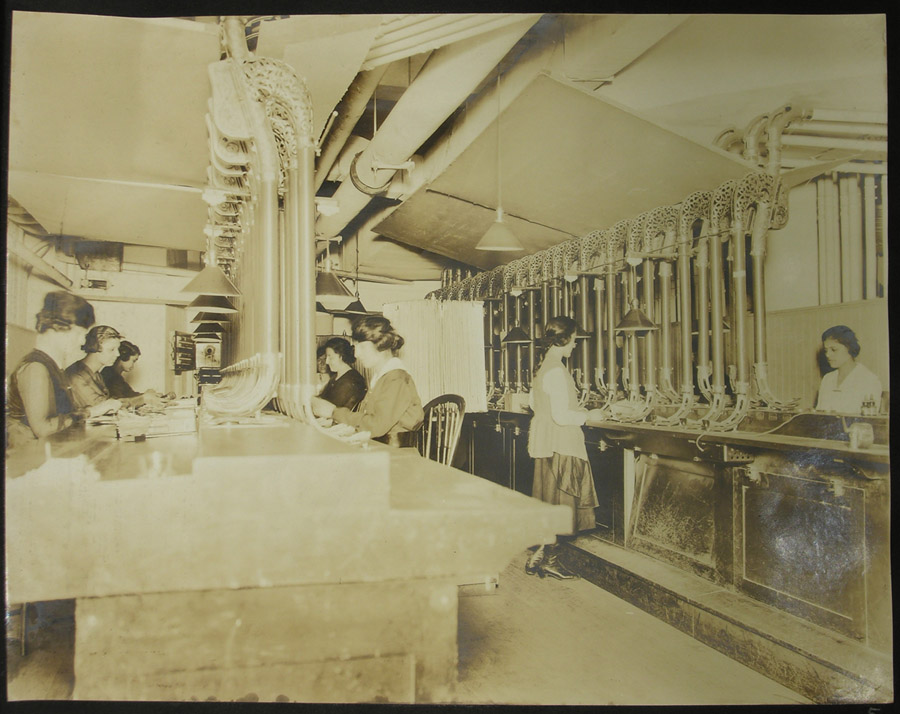
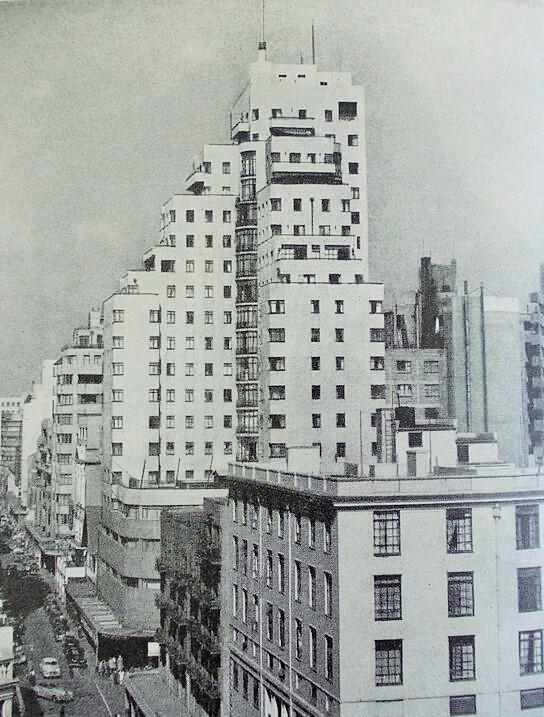
Ansteys was not only one of the foremost Art Deco buildings in Johannesburg in the mid 1930s but was also one of the best-known department stores in Johannesburg. Most middle class white Johannesburgers will have vivid memories of “going to ‘town’ ” as it was called. No visit to town (ladies with hats and gloves nogal) was complete without a visit to the tearoom on the 4th floor. And nobody who visited Ansteys in the mid 19th Century will forget the pneumatic tube systems (I had to google for the official name). With a woosh of compressed air, these wondrously arcane devices delivered sales slips and money from the salesperson on the shop floor, down to the cashiers in a centralized tube room. After the ladies in the basement had made out the invoice and gathered the change, these would be wooshed back up again in the tube to the waiting customer. How to date oneself! No wonder my grandkids asked if there were cars when I grew up.
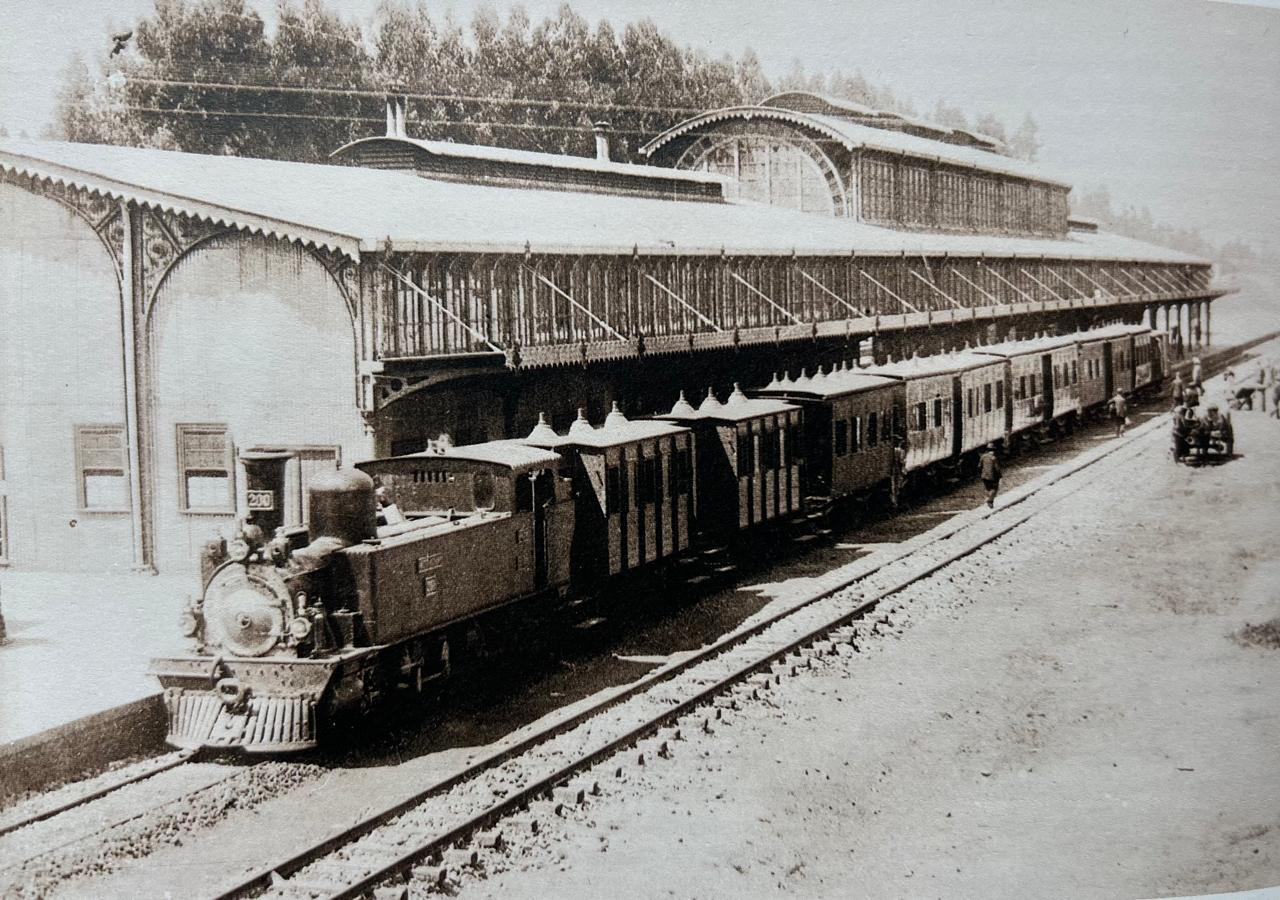
Sunday’s tours include the old Park Station structure
Sunday’s tours include Mandela Bridge and the nearby old Park Station structure; old Chinatown in Ferreirasdorp; St Huberts Catholic Church and St David’s Marist in Alexandra; and the Houghton Mosque and Masjid.
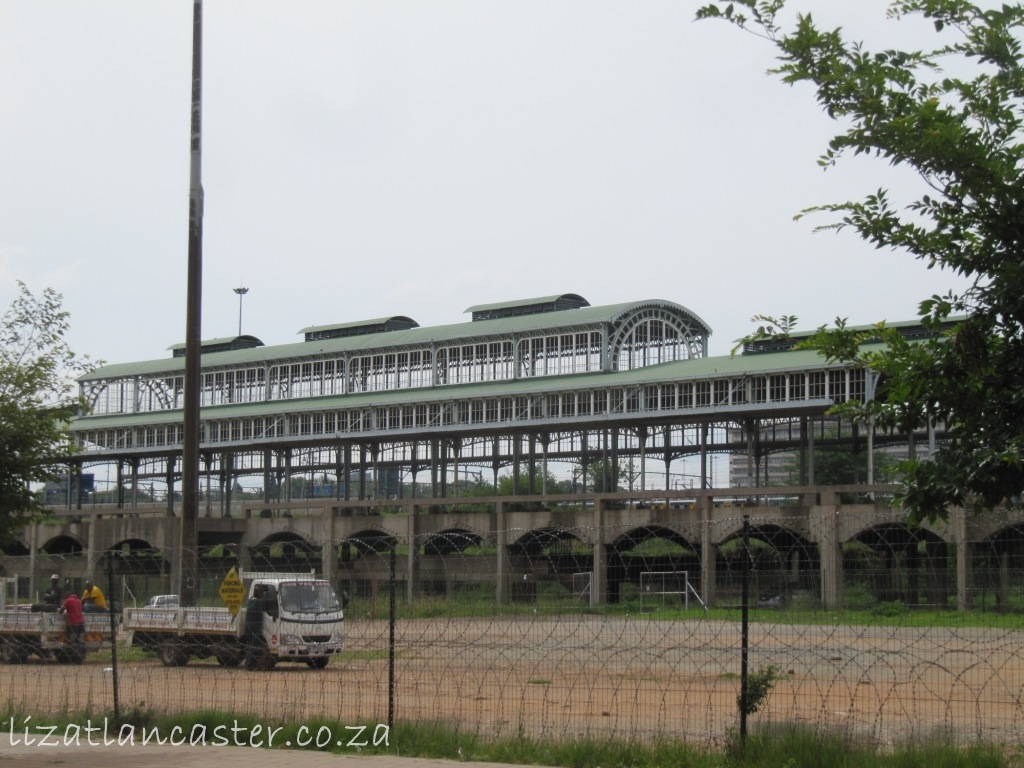
Torn between the tour of the church and school in Alexandra, and the Houghton Mosque and Masjid, I ended up choosing the Mosque. I have a particular interest in religious buildings of all faiths, sects, denominations and architectural types. Again….photos for another blog.
All Heritage Weekend tours depart from Holy Family College in Parktown. 060 813 3239
So many exciting events … watch this space for photos and feedback on the weekend’s events.