
Isitha Sabanutu at the Market Theatre will linger long in my memory – gut-wrenching and poignant. It is a superb performance. The eloquent and intelligent cultural critic, Robyn Sassen says of this play:
“Even if you never see theatre and if you have never visited the Market Theatre, Isitha Sabantu should be mandatory in your calendar. Miss this brief season of an absolutely beautiful experience, at your own risk.”
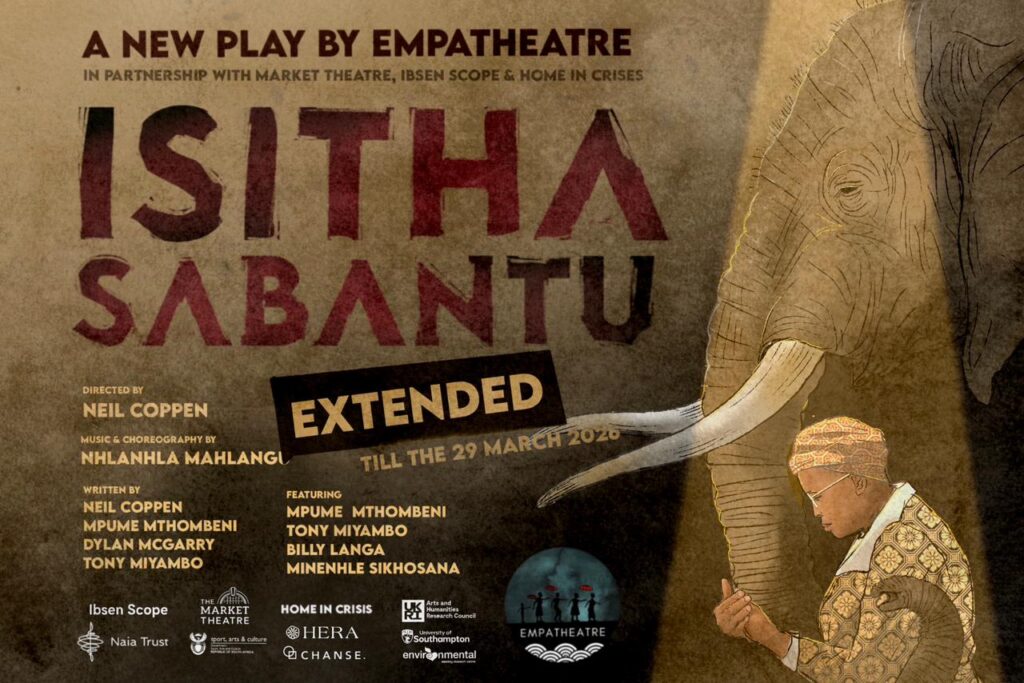
The Enemy of the People
Isitha Sabantu means: “The Enemy of the People”. Who in this case are the people? And who is the enemy?
“The people” are a community of Zulus who live in the village Hlanzeka and are led by Nomsa Dlamini the powerful matriarch; local school head, choir mistress and teacher; social and environmental activist.
Who is the enemy? … so many to name.
Initially it is the greedy large corporates who want to mine a coal seam running through the land of the village. The modus operandi of capitalist greed is cloaked in the language and processes of corporate bureaucracy, mandatory “community participation” meetings, weighty jargon-heavy hundred-page reports, job opportunities promised, paltry monetary compensation offered. And this with the resultant destructions of local homes, lives, connections, communities, ancestral lands and the dignity and identities of the residents of Hlanzeka, let alone the irreversible destruction of natural habitats, wild-life and delicately balanced eco-systems.
And then gradually more enemies emerge – a familial nephew who is the spokesperson for the coal mining company; traditional leaders who are offered power and money to sign consent to the development; impoverished local residents who see the immediate paltry payout as an instant solution to their December-increased living expenses; the local pastor who does not want to compromise the Church; the local School Board; the conservationist working in the Game Park; and the final most physically violent enemy – the vigilantes. (No spoiler alert here as this is introduced in the opening scene). Director and co-author Neil Coppen asks:
“What is the cost of development when the dead are displaced along with the living? And who becomes the ‘enemy’ when truth threatens power?”
Text, choreography and characterization all make for a consummate performance
The text is written in Isizulu and English in a completely accessible way. A cast of 13 play all the characters (and in many scenes evoke the sense of large crowds) in a spell-binding production that draws on physical theatre, choral song, models of small buildings (a synecdoche for the village), instrumental music, puppeteering. I say no more! Except to say that despite its length at nearly 3 hours, (and it does need trimming and tightening), I was completely spell-bound. There is comedic relief aplenty and many wonderfully funny vignettes which draw on the subtleties of language, gesture, facial expressions, timing, interactions (the role of the dog is simply marvelous in his own right).
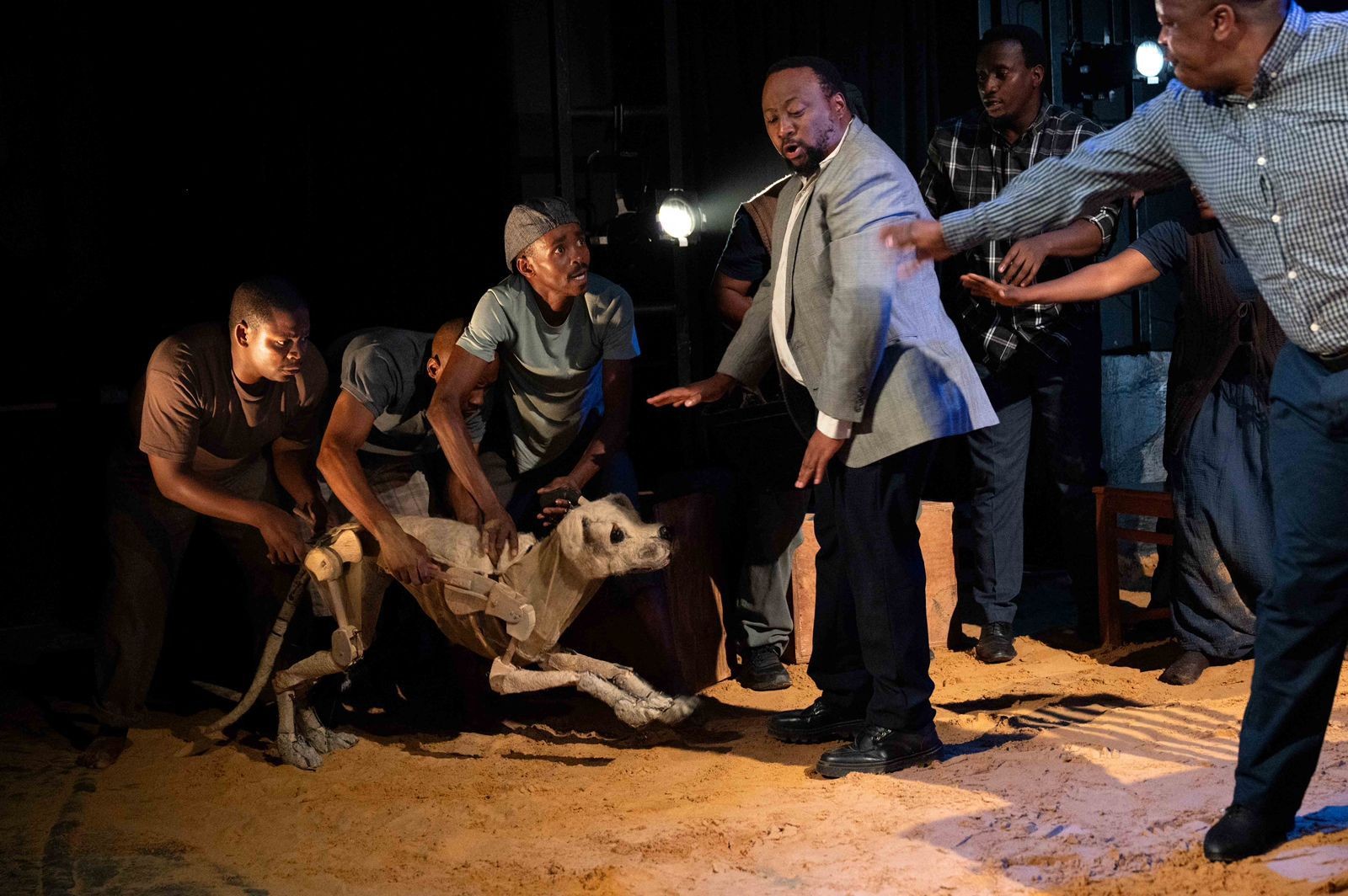
But I also shed many a tear and came out weeping at the end… copiously. The raw gut-wrenching power of this performance has stayed with me since. Wonderful theatre and a testament to speaking truth to power.
Reinterpretations and references
Funding for the production by the Durban-based theatre organization Empatheatre, came when they won a 2024 Ibsen Scope Grant for their project to reinterpret two of Ibsen’s plays: An Enemy of the people and A Doll’s House.
The story has a local historical reference in that it pays tribute to the life and work of the Kwa Zulu environmental activist Fikile Ntshangase.
I echo Robyn’s advice – do NOT miss this play which is scheduled for a world tour in 2027. It has been extended to the 29th March. Tickets are R110 Wednesday and from R200 (pensioners) to R220 for other shows.
Directions to safe easily accessible undeground parking
It is really easy to get to the Market from the north.
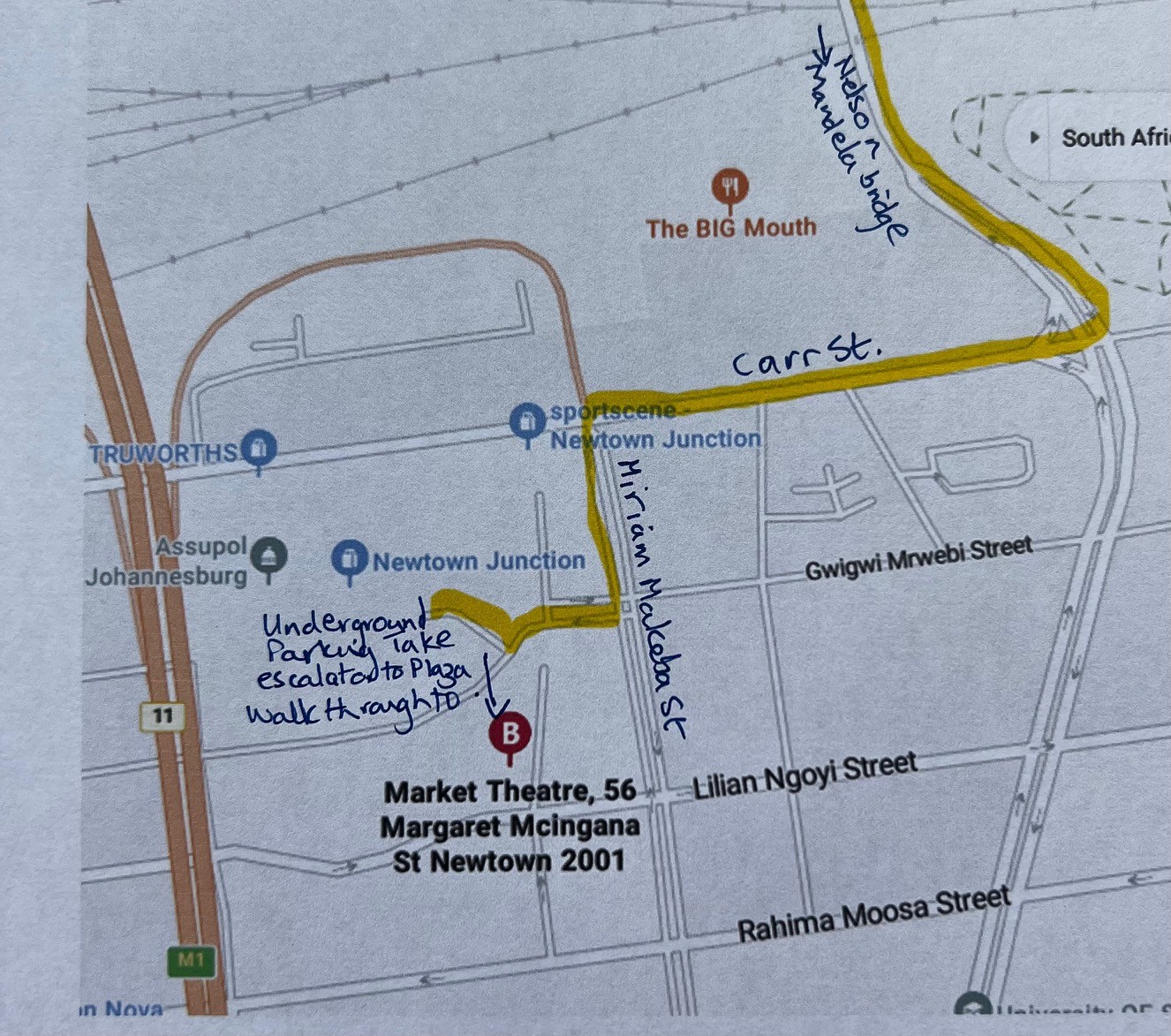
At the end of Mandela Bridge:
- turn right into Carr St;
- 3rd left into Miriam Makeba St
- first right into the extension of Gwigi Mrwebi/Pim St
- right into the Underground Parking.
You take escalators or lift to the ground floor level, walk across the plaza level across the old heritage market railway line, past the bronze Kippie Moeketsi statue and the entrance to the theatre will be on your right.
It is all safe, well-lit and easily accessible.